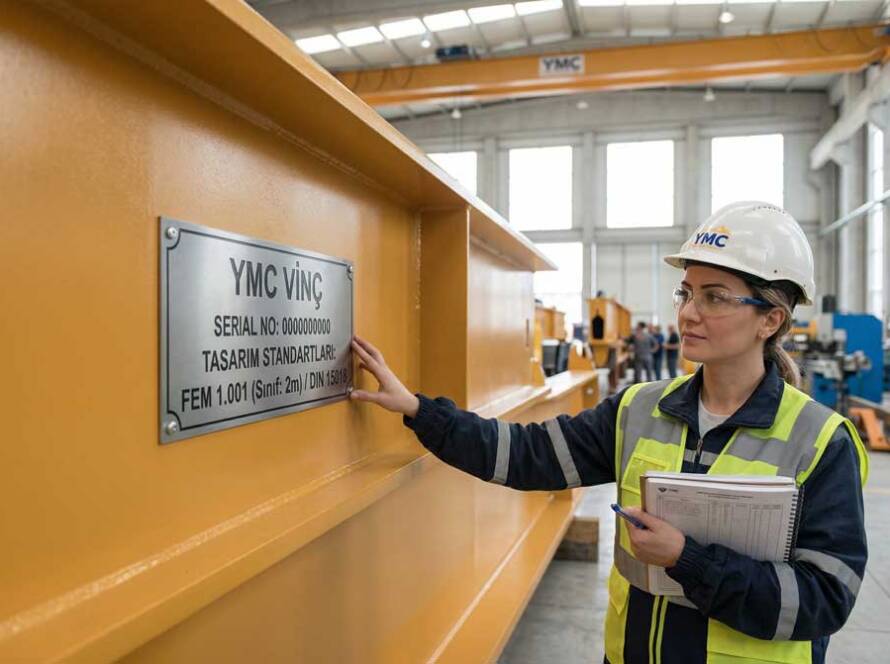
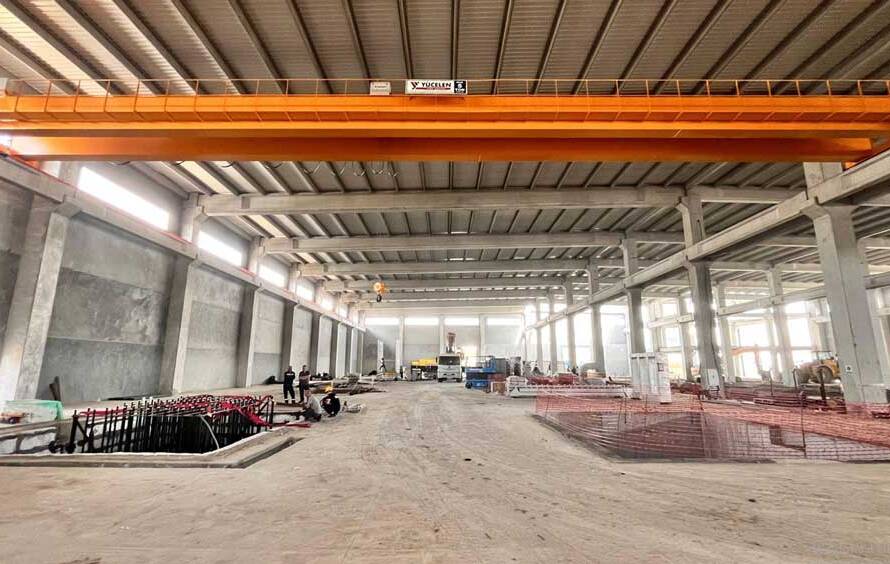
Workplace safety is a top priority in heavy industry, as in every sector. Cranes play a vital role in moving heavy loads and managing materials in factories. If these large machines malfunction or break down unexpectedly, they can cause serious financial losses or, worse, workplace accidents. Correct and effective crane maintenance is therefore essential for both business continuity and safety. How should cranes be maintained correctly? This article explains how to make the maintenance of your factory's essential crane equipment more effective and efficient. The better your crane's condition, the safer your workplace. Looking after your crane means protecting your own life and those of your employees.
The Importance of Industrial Cranes for Workplace Safety
Cranes used in industrial environments are a cornerstone of workplace safety. Particularly effective for moving heavy loads, they become more efficient and safer with correct, regular maintenance.
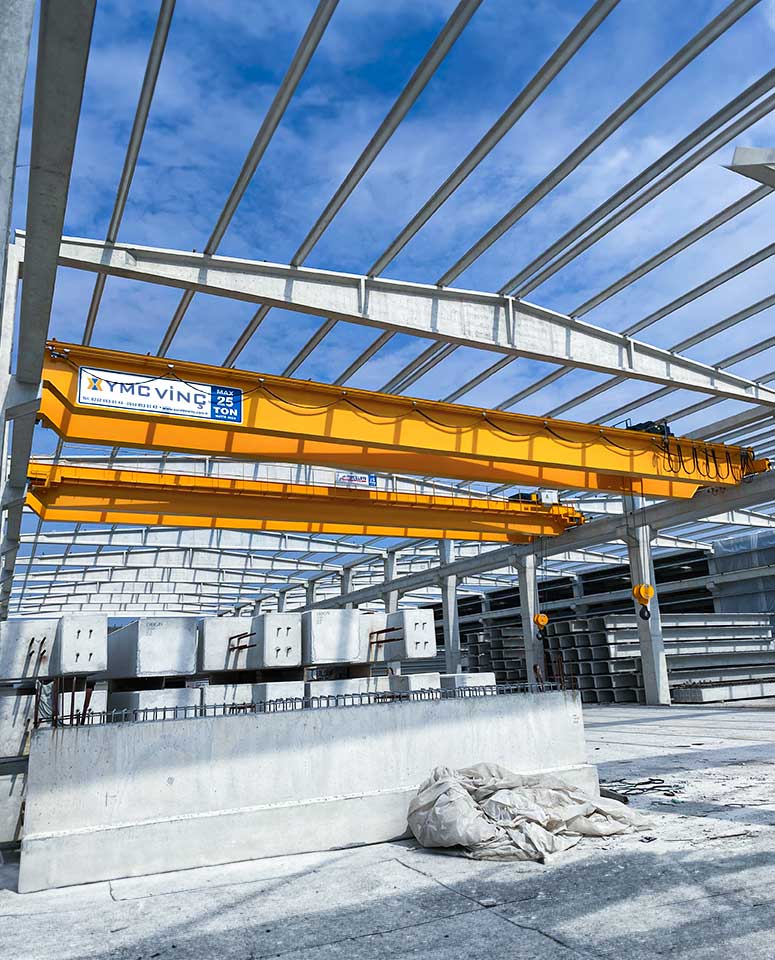
Gantry cranes and monorail overhead cranes are prominent crane types. Gantry cranes are generally designed for large areas and can easily handle high-capacity loads. Monorail overhead cranes are used in narrower spaces and are easier to install and maintain.
Both crane types perform critical factory tasks and require regular maintenance. Regular maintenance extends their service life and reduces the risk of accidents.
For gantry cranes, for example, checking key components such as the power supply, brakes and travel mechanism is important. Monorail overhead crane safety checks include lifting capacity, suspension fittings, the control box and electrical wiring.
Regular, correct maintenance of every industrial crane is therefore critical to workplace safety. Safety always comes first, and cranes play an important role. Regular, effective maintenance supports business continuity and protects employees.
Regular maintenance before a small problem becomes a major breakdown is essential.
Factory Crane Maintenance Basics: What, Why and How?
Cranes are indispensable, especially for lifting heavy loads. Taking maintenance seriously is vital not only for productivity but also for safety. The more thorough and effective the maintenance process, the safer factory operations become.
Understanding maintenance starts with knowing the crane types. Gantry cranes and monorail overhead cranes are among the most common. Gantry cranes usually handle large loads, while monorail overhead cranes are often preferred for smaller, more precise movements.
Maintenance procedures are generally similar for these two types. Both require regular inspection and servicing to maintain optimum performance and detect potential problems early.
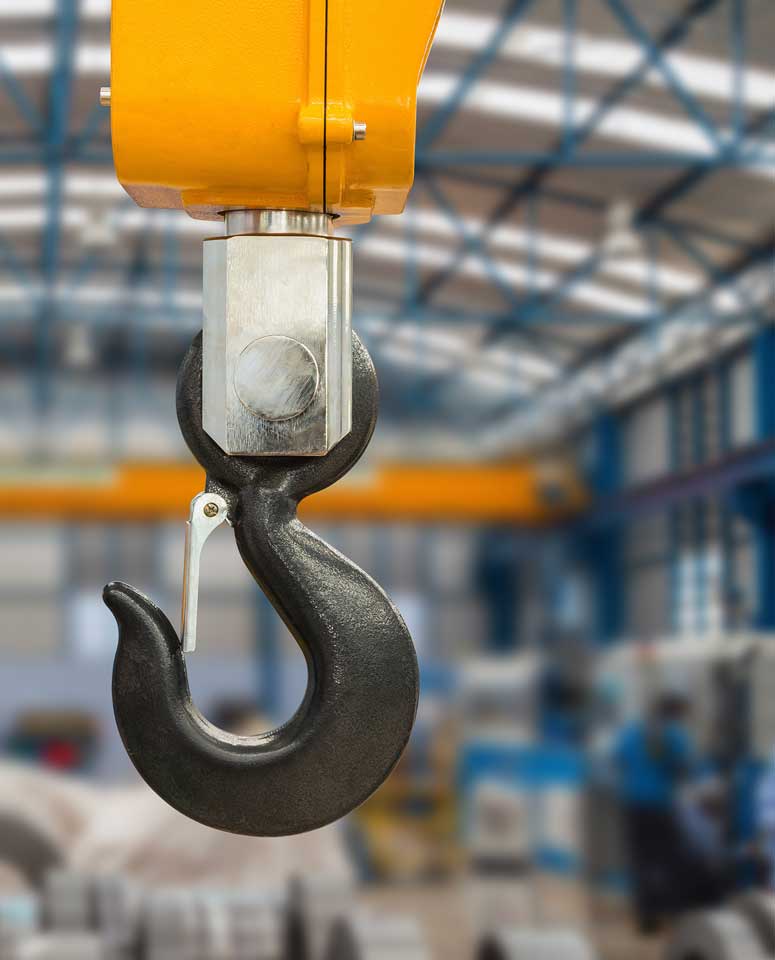
Regular maintenance usually begins with a detailed inspection of mechanical parts, such as hooks, wire ropes and brakes, and electrical components, such as the motor and control box. This inspection is essential for assessing crane condition and identifying wear or damage.
Correct, effective crane maintenance plays an important role in improving the safety and efficiency of factory operations. Allocating sufficient time and resources to this process is essential.
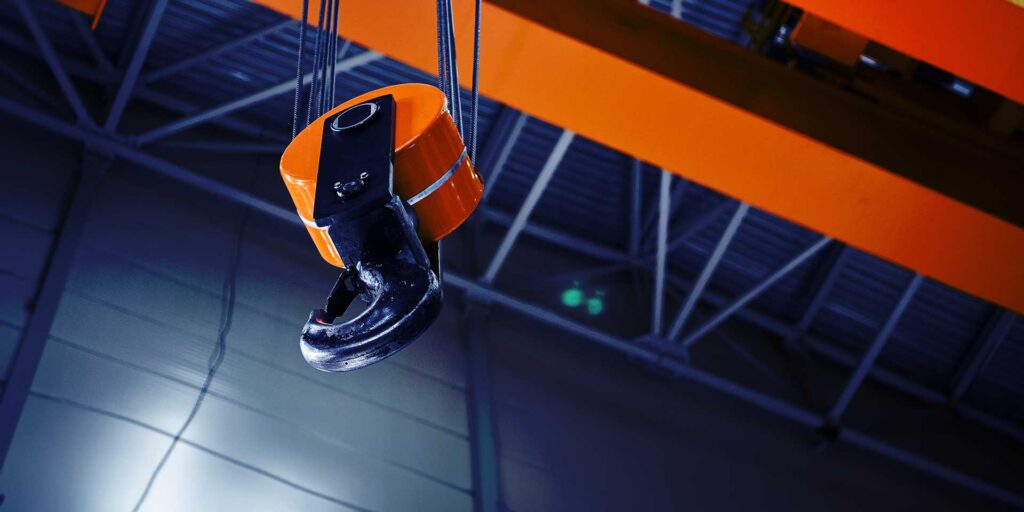
The Role of Ongoing, Careful Maintenance in Future Efficiency and Safety
Cranes, particularly gantry and monorail overhead cranes, are vital to heavy-load handling and production. Without adequate maintenance, workplace safety is compromised and efficiency may decline. A continuous, careful maintenance programme is therefore needed to support the industry's future efficiency and safety.
Regular maintenance does more than keep a crane performing optimally. It is also critical for assessing overall equipment condition and detecting potential faults early. Cracks or deformation indicating excessive wear or metal fatigue can be found during routine inspections. Early detection allows preventive action before accidents occur.
Maintenance of gantry and monorail overhead cranes must cover electrical systems as well as mechanical parts. Electrical malfunctions can create serious safety problems, so these systems also require detailed inspection.
Cranes need regular, comprehensive maintenance to protect workplace safety and maintain production efficiency. All crane maintenance must be performed by trained, competent technical personnel.