Skip to content Skip to footer

The Importance of Overhead and Gantry Cranes in Shipyards

Shipyards are complex, busy workplaces where ships are built and repaired. Because heavy and oversized components need to be moved, assembled or positioned, using the right equipment is critical. In this context, overhead crane and gantry crane systems play an important role in shipyard operations. This article focuses on their benefits to shipbuilding, their contribution to occupational health and safety, and the advantages they offer businesses.

Benefits of Overhead and Gantry Cranes

Shipyard materials and construction equipment are inherently heavy. Attempting to move these loads manually or with under-capacity equipment creates serious accident risks and costly production delays. Overhead and gantry crane systems enable shipyard logistics to be managed quickly, with high safety standards and millimetre precision.

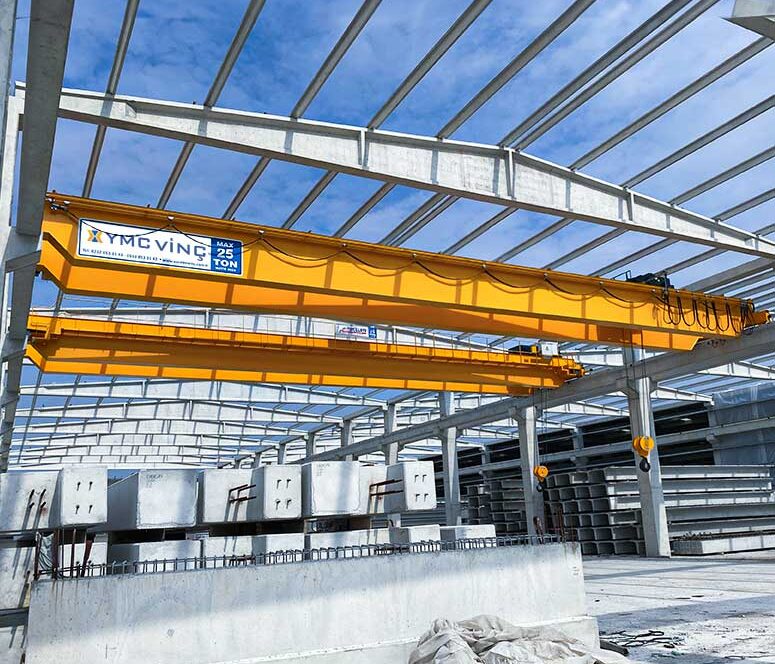
Integrating lifting and handling systems has a direct, measurable impact on operational efficiency. Overhead cranes in enclosed manufacturing halls minimise delays by providing continuous material flow without occupying floor space. Gantry cranes in outdoor areas and shipbuilding slips allow large blocks to be moved across wide spans. This range of indoor and outdoor equipment gives shipyards the flexibility to manage variable workloads and complex production scenarios.

Mechanisation also fundamentally improves workforce and time management. Designing and using crane systems in heavy industry reduces reliance on physical labour. Handling operations that previously required large teams and carried high risks can be managed safely by one skilled operator. This saves time and labour costs while enabling employees to be assigned to more specialised production tasks.

The Importance of Cranes for Occupational Health and Safety

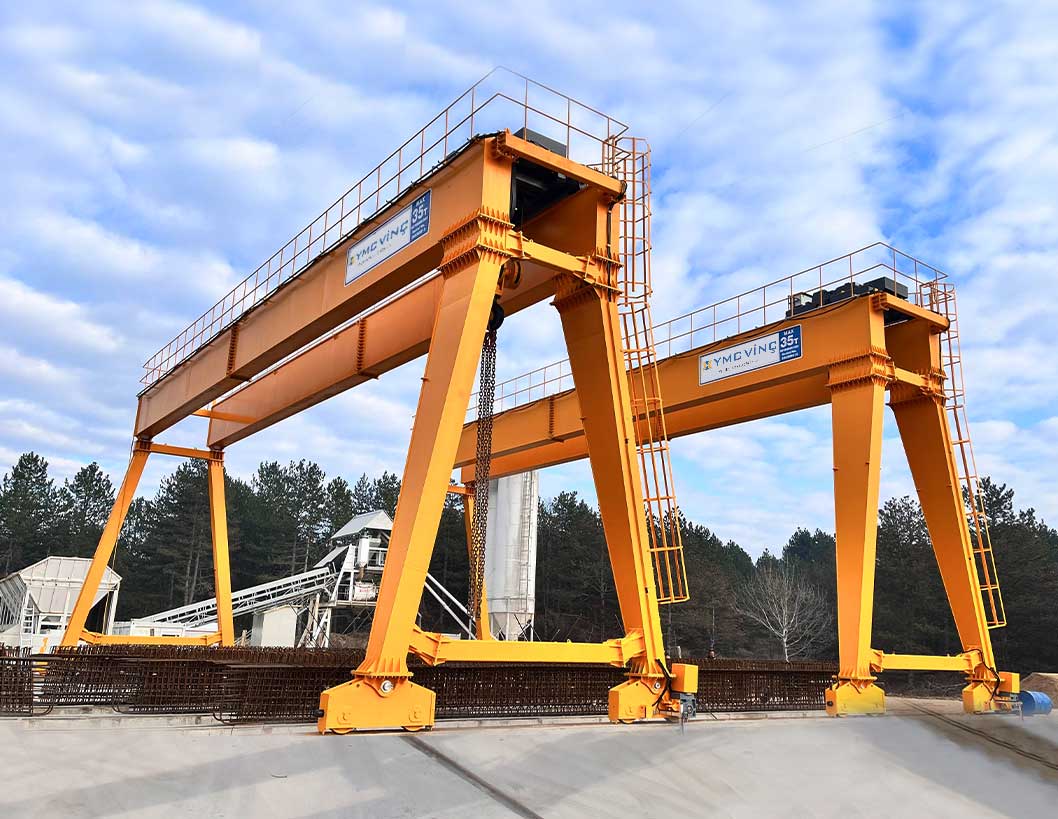
YMC Gantry Cranes

In high-risk heavy industrial sites such as shipyards, moving heavy loads manually or with inadequately rated equipment is a major cause of serious workplace accidents. From an occupational health and safety perspective, properly designing and integrating overhead and gantry crane systems minimises these risks operationally and statistically. Heavy-duty industrial cranesmechanise hazardous load-handling operations and separate personnel from physically demanding, high-risk areas, allowing operations to be carried out more safely.

Mechanising work processes and transferring physical loads to crane systems also creates a more ergonomic environment for skilled personnel. By reducing physical strain and musculoskeletal disorders, these improvements support workforce motivation and strengthen the facility's safety culture.

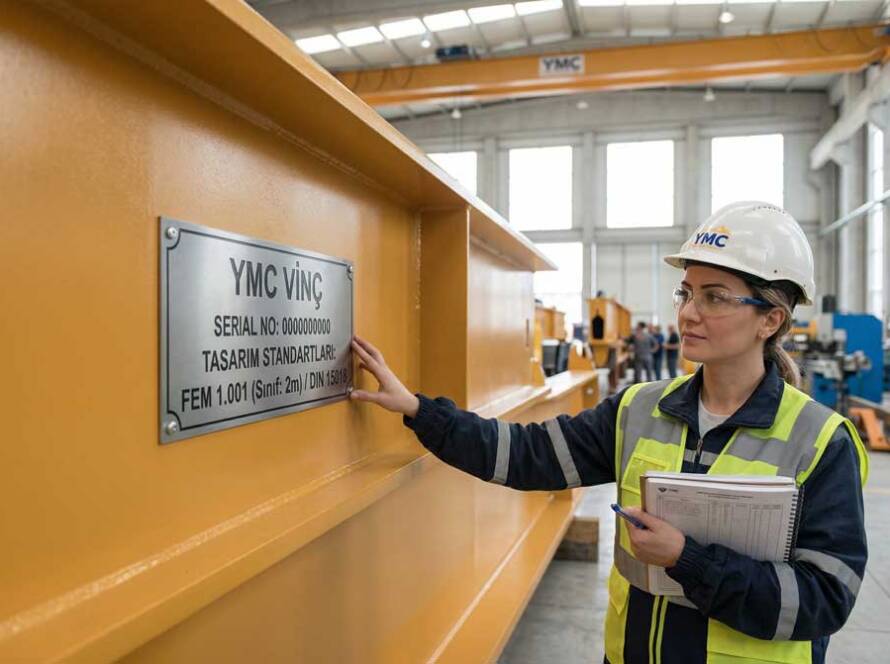
Alongside creating a safe, ergonomic workplace, industrial crane systems provide businesses with legal and structural assurance. Modern lifting and handling machinery is built using specific engineering calculations to comply with international occupational health and safety regulations. Using certified equipment that meets these standards helps shipyards fulfil their legal obligations and contributes to smooth periodic safety inspections and quality certification processes.

Leave a Comment